Send Message



Climate change has become inevitable. All governments have set deadlines for their countries to reach net zero. All organizations need to set their own roadmap to reach this overall goal. If your organization is starting to think about its future commitments and targets, Vericert can support and prepare you at this point.
We provide independent certification, verification and training services for Vericert ESG standards. Our services help you ensure that your sustainability claims are accurate, robust and credible.
Sustainable Procurement – Sustainable procurement defines the application of an organization’s Corporate Social Responsibility (CSR) strategy to the buyer-supplier relationship. An organization and its procurement function should consider seven key sustainability issues and their interrelationships when developing a sustainable procurement policy.
Carbon Verification – Reducing carbon emissions plays a major role in the fight against climate change. Governments take compelling decisions to reduce carbon emissions and organizations voluntarily or compulsorily implement these reduction efforts.
Energy Efficiency – Energy efficiency is the cleanest and cheapest source of energy to meet our growing energy needs. It is about combating climate change and poverty
Environmental Management – This includes issues such as conservation of natural resources, waste management, etc. It aims to keep the natural resources of our planet in balance, protect natural ecosystems and minimize harmful effects
Gender Equality – Gender equality means equal participation of women and men in all areas of economic and social life and equal access to opportunities and resources.
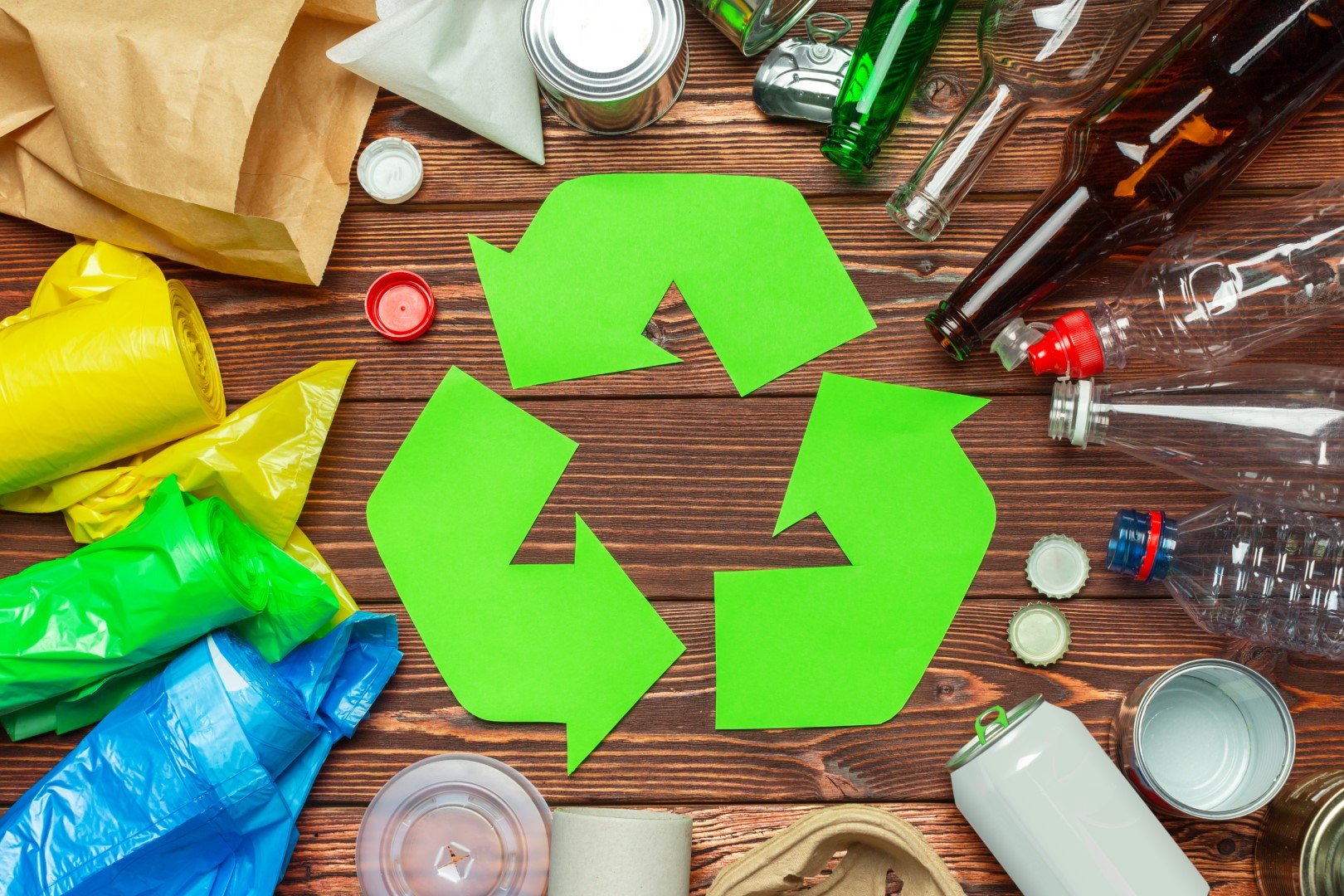
Circular Economy – The management of waste recognized as a recoverable resource represents an important economic opportunity, while at the same time contributing to the reduction of demand for and extraction of virgin resources. The processing and subsequent use of secondary materials avoids the disposal of a resource that could provide value to other interested party(ies) and thus supports the achievement of environmental objectives and improvement of the situation in many regions of the world.
Turkey 2053 – Turkey has pledged to achieve Net Zero carbon emissions by 2053. While this is a commitment that Turkey has made on the international platform and will be regulated through policies, it will be a difficult endeavor to realize without the contributions of non-state actors.
Adding {{itemName}} to cart
Added {{itemName}} to cart