Send Message



The Energy Management Standard ISO 50001 ensures that energy efficiency is improved and energy costs are reduced.
In general, companies in every sector and of all sizes can obtain energy management system certification. The standard offers systematic requirements and successful practices for organizations that are particularly sensitive to energy. In small and medium-sized companies, it can be seen as the part of the environmental management system that focuses on the energy side. For companies that already have ISO 14001, it provides them with a structure that takes more into account the energy factor.
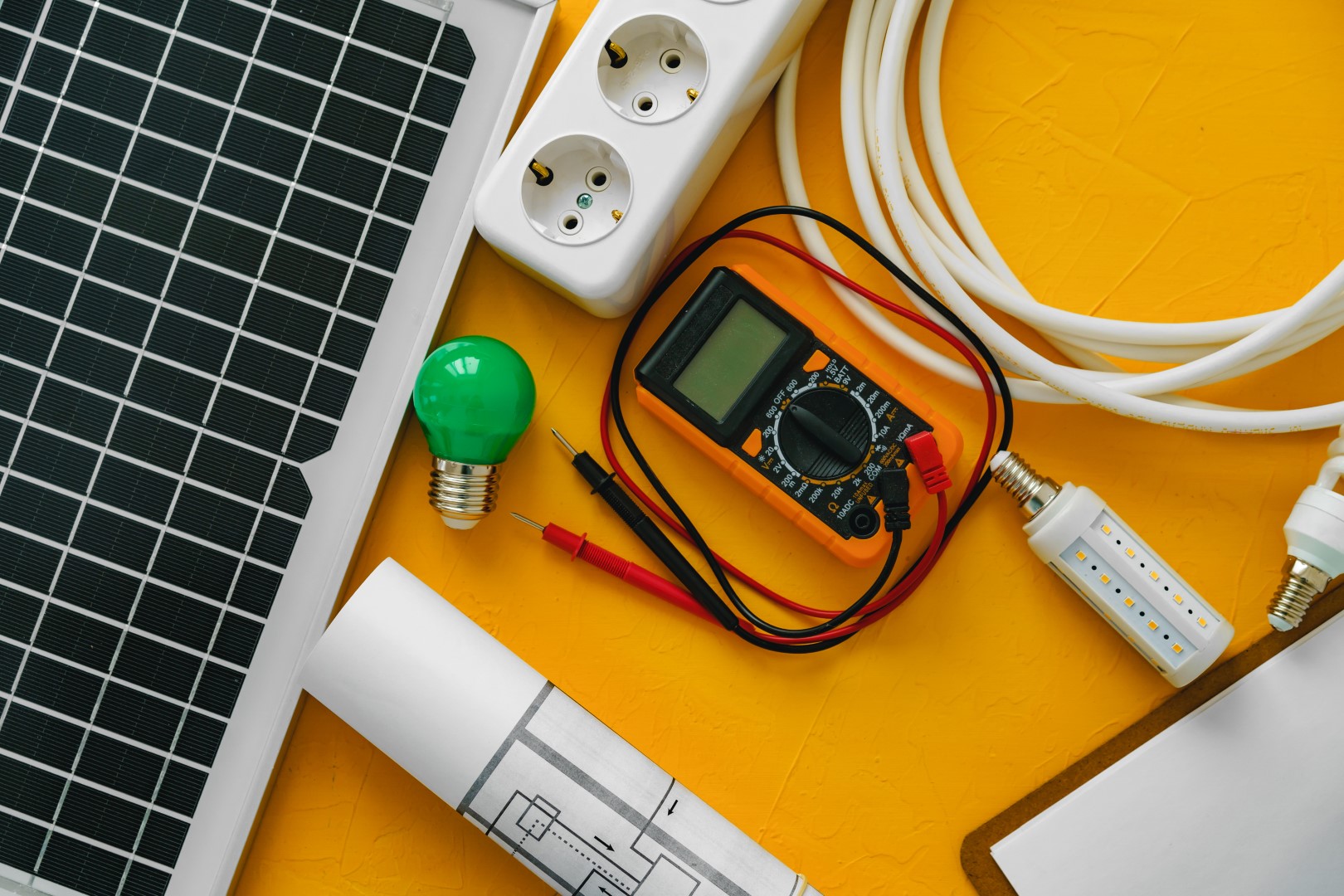
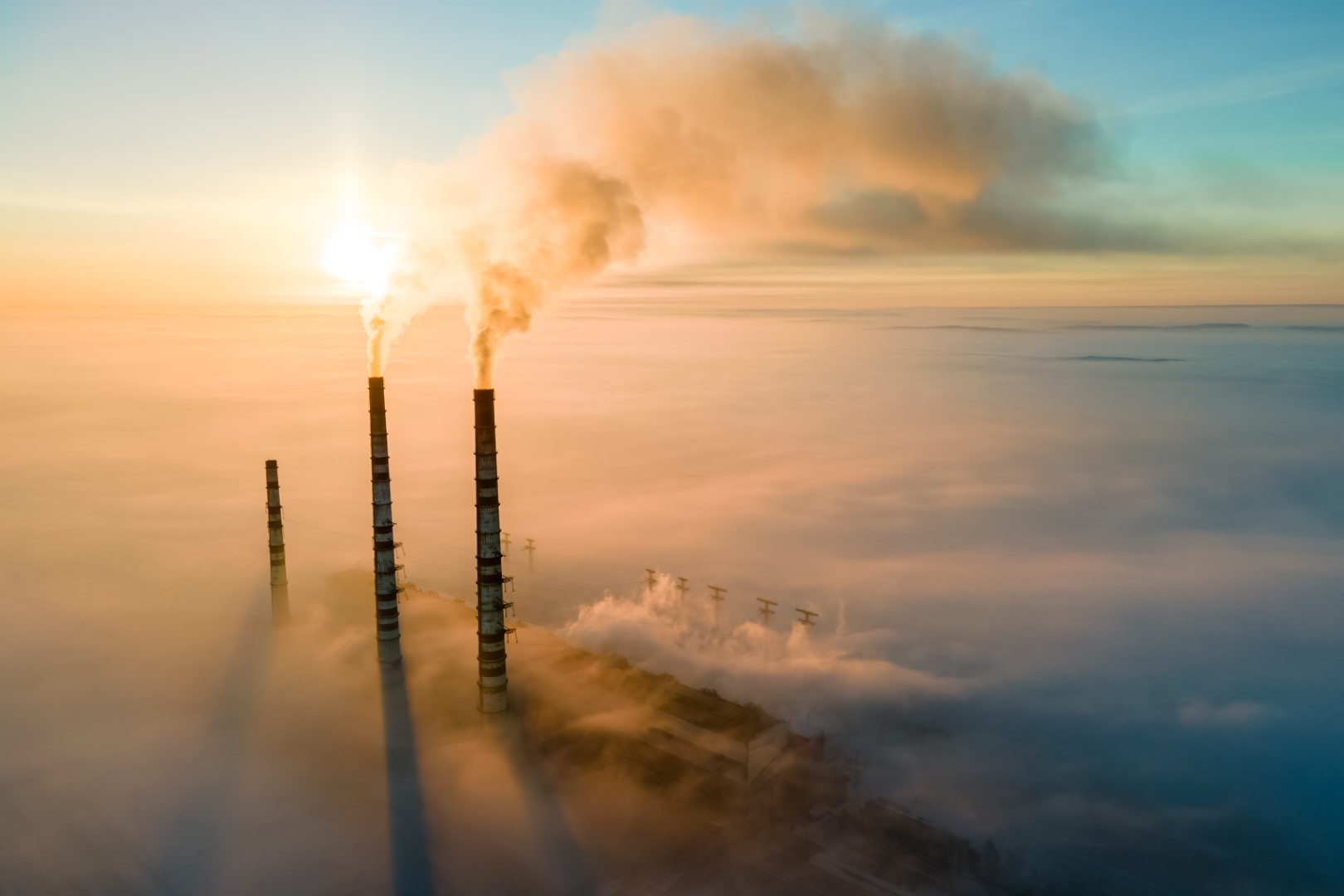
Energy-based standards such as ISO 50001 enable organizations to develop the systems and processes necessary to improve their energy performance. These standards ensure that energy management contributes to improving energy consumption, energy costs, greenhouse gas emissions and environmental impacts. The organization's energy management is addressed with a systematic approach. The elements defined as energy are electricity, petroleum-derived fuels, steam, heat, compressed air and renewable energies. It addresses how these energy elements are managed in the areas of lighting, ventilation, cooling, heating, process heat and transportation and process.
As with other management systems, the organization should establish a documented system and determine the scope of this structure. Senior management should appoint a representative. Energy-related assessments should be made to analyze sources of energy use, identify energy sources, evaluate past and current energy consumption, and project future energy needs.
A philosophy of continuous improvement, including energy performance, needs to be embedded in energy policies. Appropriate energy performance indicators will be established as a result of measuring and monitoring energy performance.
Adding {{itemName}} to cart
Added {{itemName}} to cart